Everything You Need to Know About Load Cells
Load cells are crucial parts of industrial weighing systems. In a more accurate description, load sensors are used to detect directional force by converting it into an electrical output using a combination of strain gauges and spring elements.
For these reasons, load sensors are essential in today’s environment. They are even referred to as the heart of every scale by some. Sadly, they are frequently disregarded despite their flawless contributions to weight-based sales, outdoor production environments, and modern manufacturing. The essential information regarding load cells is covered in detail in this article.
Load Cells are Available in Different Classes
People need to have a more basic understanding of load sensors because they are a part of the modern world. There are many classes for load sensors. Different features set each categorization apart from the others. They fall under the following categories:
- Pneumatic load cells
- Strain-gauge load cells
- Hydraulic load cells
They’re Used in Different Sectors
In the current world, load sensors serve a variety of purposes as the central component of all scales. They are used in a variety of sectors and are thought to be essential to proper operation. In addition to their many load-bearing capabilities, force transducers are used in various sectors for structural integrity and other reasons that include public and environmental safety.
The Demands of Their Applications Relate to Their Performance
An industrial environment requires high-endurance force transducers. Due to its nearly “perfect” accuracy under experimental stress levels, the strain gauge is the greatest choice for this. On the other hand, pneumatic load cells are the ideal choice for applications that require precise mechanical balancing. Since they can function without a power source, the hydraulic options are ideal in remote situations.
Their shapes are different
Each load sensor has a unique form, much like its kind. Every form also plays a part in its distinct purpose. The following are the various shapes:
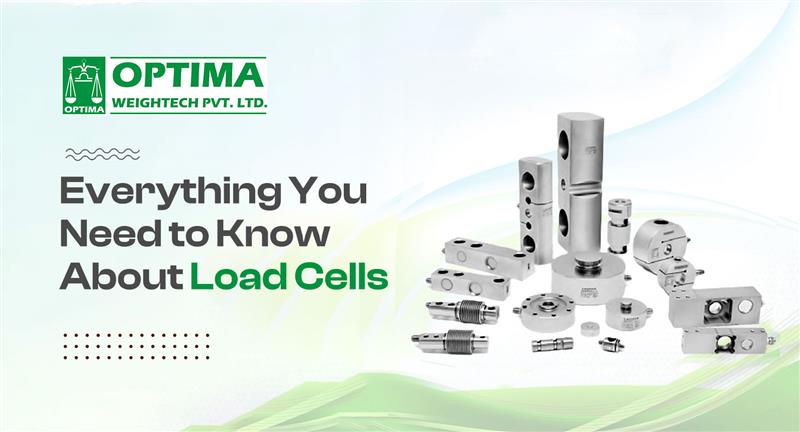
Applications requiring a high degree of accuracy employ pancake load sensors. They may be applied to component fatigue testing, axial force, tension, and compression measurements. S-Beam load cells, on the other hand, are mostly used in situations and applications that include stress. Static, silo, dynamic, and tank weighing are among the several weighing applications that employ beam load sensors.
Canister load sensors, on the other hand, are the best option for compression applications that need at least 100,000 pounds. Button load sensors work well in small, constrained spaces. Lastly, thru-load cells are perfect for off-center applications because of their rigid architecture.
Custom-scale solutions are offered by load cells
Custom-scale solutions can be produced by integrating load sensors into existing structures like hoppers, silos, tanks, and other structures. There is more to load sensors than meets the eye. They are also excellent options for sophisticated scale management.
They Can do Different Measurements
As technology develops, so does the application of force transducers. For instance, load sensors are capable of measuring a variety of parameters, such as the electrical resistance resulting from tension, vertical compression, and suspended tension.
Their Mounting Options Differ
There are many top and bottom mounting options for load sensors. Most purchasers struggle to build fixtures to implement their force transducers since this issue is frequently disregarded. Load cells with threaded holes are less costly and easier to operate.
Conclusion
Take into account the level of accuracy needed for your application when choosing a load cell. The amount of accuracy needed for your process or experiment, the intended measurement resolution, and any industry or regulatory standards that outline precision requirements might all affect this.
Examining the technical support, paperwork, and specifications provided by the load cell manufacturer might provide you with important information about the capabilities of the load cell type you are thinking about.

Recent Posts

Everything You Need to Know About Load Cells

How to Select the Right Bagging Machine for Your Business